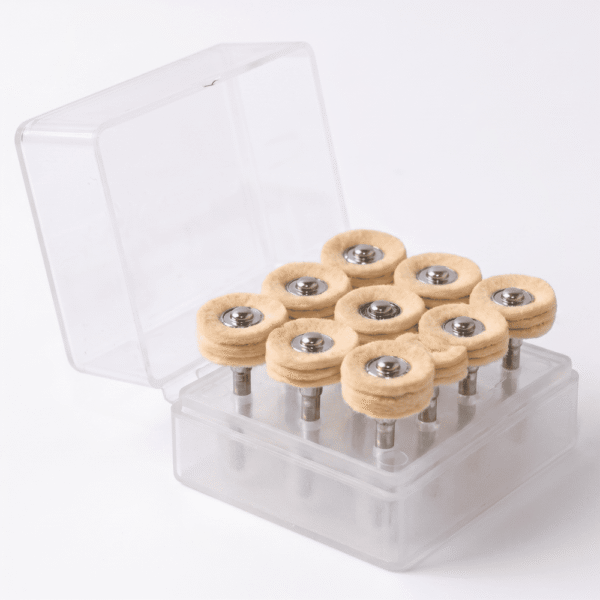
Description
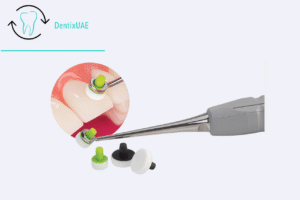
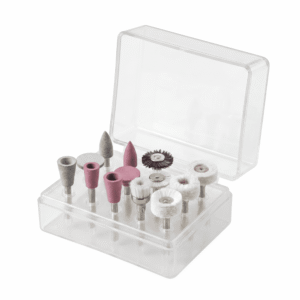
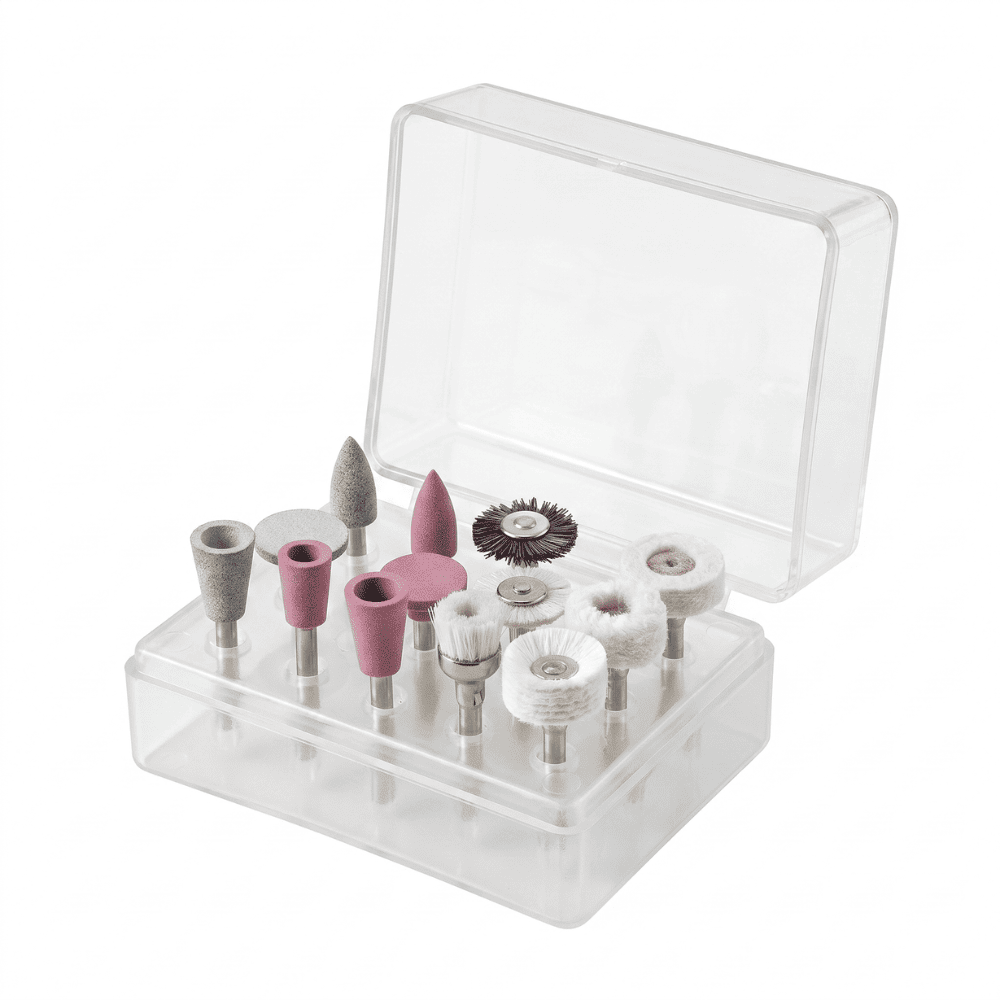
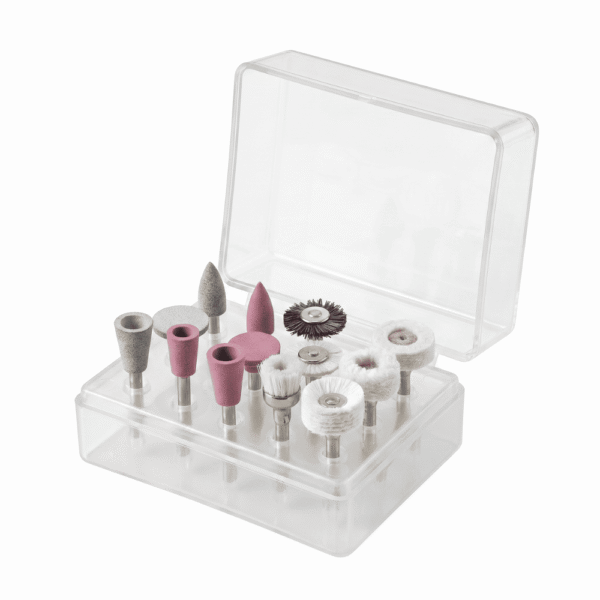
The dental silicone polishing kit is engineered for clinicians and dental students who demand predictable, high-gloss luster on composite, ceramic, and zirconia restorations. Designed to preserve natural surface morphology, these micro-fine polishers efficiently reduce surface roughness without generating excessive heat. Whether you are finalizing an anterior composite veneer or a posterior zirconia crown, this versatile system transitions seamlessly from contouring to a final mirror-like finish, drastically reducing your chair time.
Technical Specifications
- MPN: DX-SPK-SIL12 (Silicone) | DX-SPK-COT12 (Cotton) | DX-SPK-LTH12 (Leather)
- Shank Type: Right-Angle (RA) for low-speed contra-angle handpieces
- Target Materials: Resin composites, glass ceramics, and monolithic zirconia
- Material Composition: High-density silicone with impregnated micro-abrasives, premium layered cotton, or soft buffing leather
- Thermal Tolerance: Fully autoclavable at 135°C (275°F) for safe, repeated clinical use
Clinical Applications & Workflow
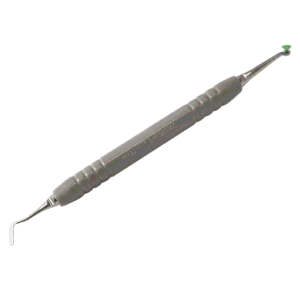
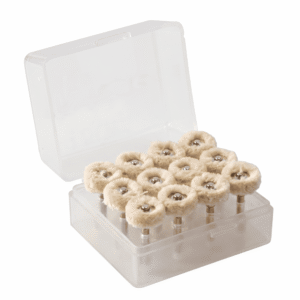
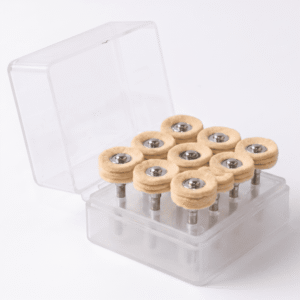
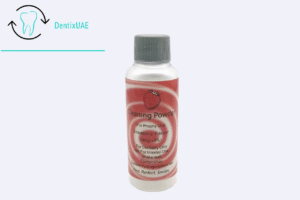
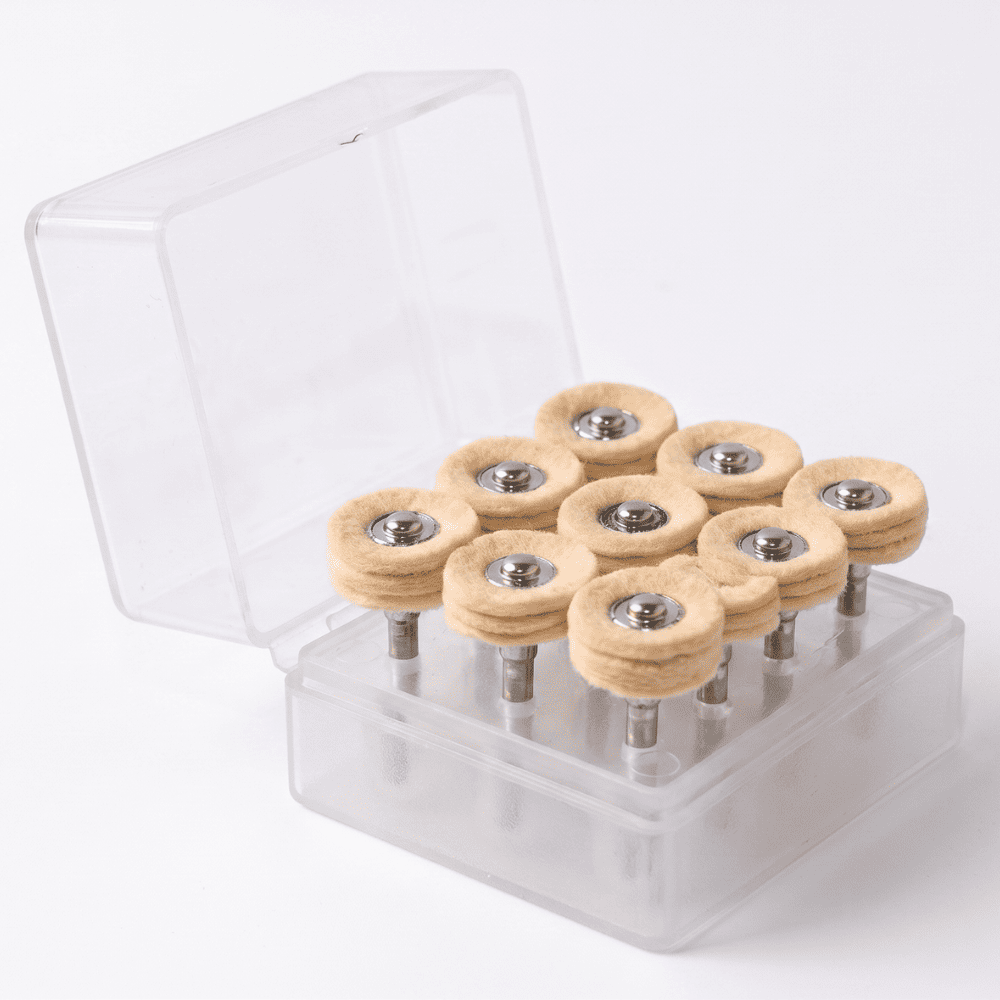
Achieving a flawless restoration requires a systematic approach. After initial contouring to establish primary anatomy and line angles, deploy the RestoraPolish silicone points (Style 1) at 7,000–12,000 RPM. This pre-polishes the restorative margin without degrading the surface integrity. Next, utilize the Cotton polishing wheels (Style 2) to distribute polishing paste evenly across broad facial surfaces, ensuring a uniform shine. Finally, for an unmatched brilliant luster on both anterior and posterior cases, apply the SoftShine leather wheels (Style 3) with a micro-fine diamond paste.
Maintenance & Care
To maximize the lifespan of your polishers, operate wet when clinically indicated and apply light, intermittent pressure to prevent flat spots on the silicone points. Keep the rotary instrument moving continuously across the restorative surface. Following treatment, ensure all polishing components and mandrels undergo standard ultrasonic cleaning to remove paste residue before being bagged and sterilized in an autoclave at 135°C.